need

Volunteers bring healthier smiles to kids in need
(BPT) – Did you know half of all children in this country enter kindergarten with tooth decay? Tooth decay is the number one chronic infectious disease among children in the U.S., affecting 42 percent of children aged 2 to 11 years old, according to the National Institutes of Health. In addition, nearly half of minority […]

Knowing your options if you are denied the cardiovascular medicine you need
(BPT) – As we approach American Heart Month, one important topic must be addressed: improving access to innovative therapies for patients suffering from cardiovascular disease (CVD). When prescribed a medication by a physician, most individuals expect to receive the medication without jumping through hurdles. However, for many people affected by cardiovascular disease across the country, […]

Brain-injured patients need therapies based on cognitive neuroscience
Patients with traumatic brain injuries are not benefiting from recent advances in cognitive neuroscience research — and they should be, scientists report in a special issue of Current Opinion in Behavioral Sciences. Those who treat brain-injured patients rarely make use of new scientific discoveries about the workings of the brain. Instead, doctors, nurses and emergency […]

Why You Need More Calories Than You Might Think
The human body is built to be a high-performance machine fueled by the highest-quality nutrition. From the basic processes of breathing and pumping blood to an all-out HIIT workout or marathon, we all need adequate calories from nutrient-rich foods to perform at our best, mentally and physically. Unfortunately, when weight loss is the […]
Preterm, low birth-weight babies may need new hips in adulthood
Researchers from Australia report that low birth weight and preterm birth are linked to increased risk for osteoarthritis (OA)-related hip replacements in adulthood. Findings published in the American College of Rheumatology (ACR) journal, Arthritis Care & Research, indicate that low birth weight and pre-term babies were not at greater risk of knee arthroplasty due to […]
A heart-felt need for dairy food: Small serving beneficial, large not necessary
A daily small serve of dairy food may reduce the risk of heart disease or stroke, even in communities where such foods have not traditionally formed part of the diet. A study of nearly 4000 Taiwanese, led by Emeritus Professor Mark Wahlqvist from Monash University’s Department of Epidemiology and Preventive Medicine and the Monash Asia […]

Bulk Up Your Diet With Negative Calorie Foods!
Did you know that there are some foods, which require more energy to Metabolize than we obtain from eating them? This result is usually Referred to as the negative calorie effect. A simple example is water. It supplies zero calories, but requires energy to swallow and warm to Body temperature.
Does your training routine really need to be that complicated?
A new study just published in Applied Physiology, Nutrition, and Metabolism investigated the value of the Pre-Exhaustion (PreEx) training method and found that that the various arrangements of different exercise protocols is of less relevance than simply performing resistance training exercises with a high intensity of effort within any protocol. As resistance training is becoming […]
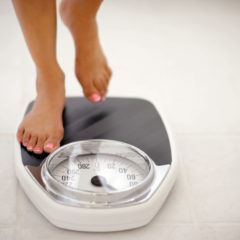
Why We Need to Stop Obsessing over the Scale
“Once a doctor visit.” This is my personal answer to the question, “How often do you weigh yourself?” And I’m serious. At the extremes, weight matters. In the middle, not so much. The response I usually get to my comment above is something like, “Well, you don’t need to worry about […]

Why athletes are more likely to need pacemakers in old age
A new study led by The University of Manchester has shed light on why athletes are more likely to have abnormal heart rhythms. Elderly athletes with a lifelong history of training and competing in endurance events like marathons, triathlons and iron man challenges can have heart rhythm disturbances, known as arrhythmias. The Manchester research in […]